
Conference centres
Dedicated conference and exhibition centres. 147 venues for meetings, conferences, parties and private dining, including 12 hotels, 3 five-star venues and 8 with bedrooms for residential events. The largest holds up to 12,306 guests. Shortlist the ones you like and send a single enquiry: our team will check availability and come back with a tailored proposal.
By city
Planning a main room and breakouts? Try Venue Pro, our room-by-room search, and save your shortlist.

Map view
See these 71 venues on the map
Open the map71 venues in Sustainable
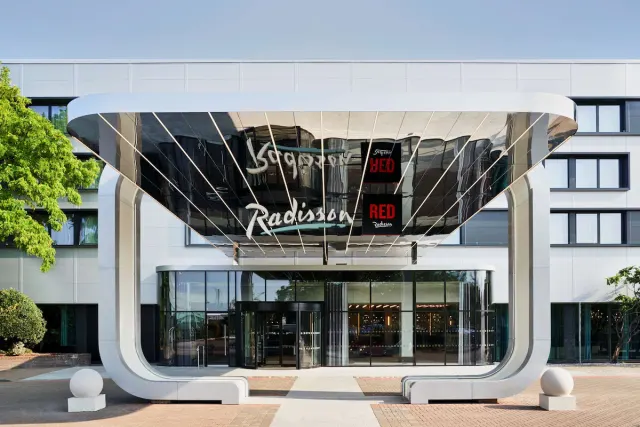
Radisson Hotel & Conference Centre London Heathrow
Middlesex

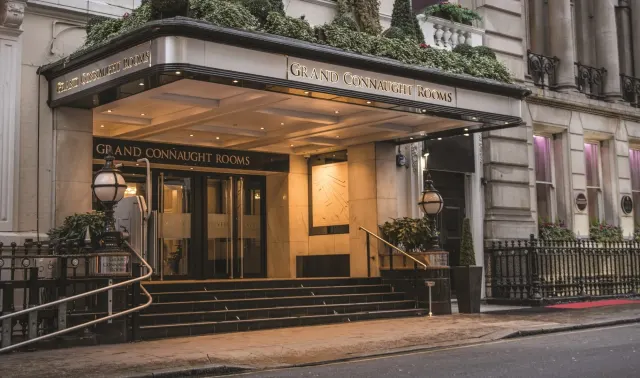
De Vere Grand Connaught Rooms
Holborn, London
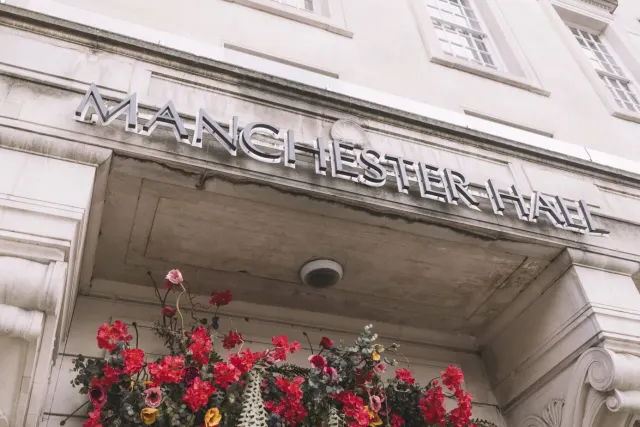
Manchester Hall
Spinningfields, Manchester
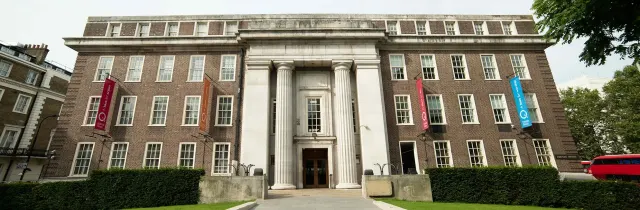
Friends House
St Pancras, London
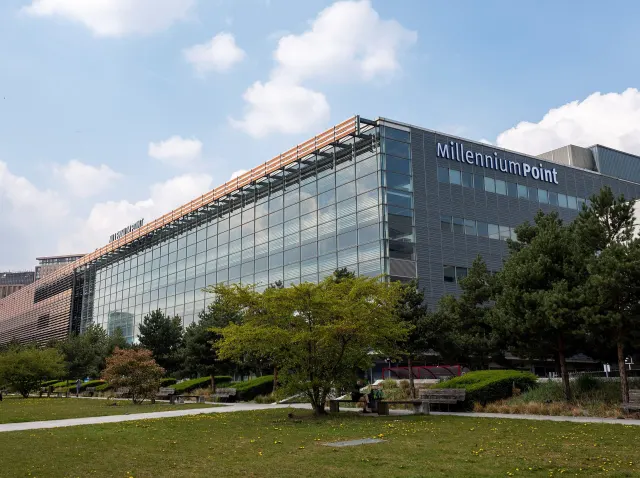
Millennium Point
Curzon St
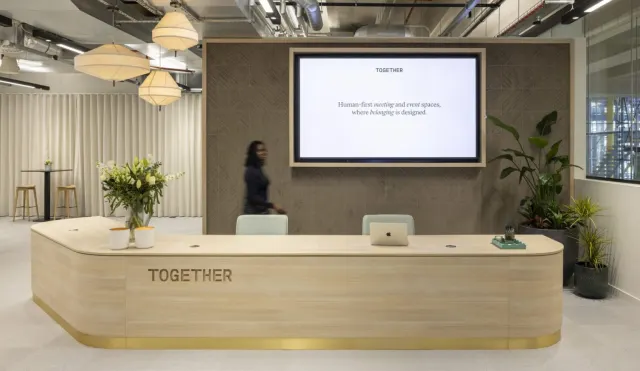
TOGETHER.SPACE
Barbican, London
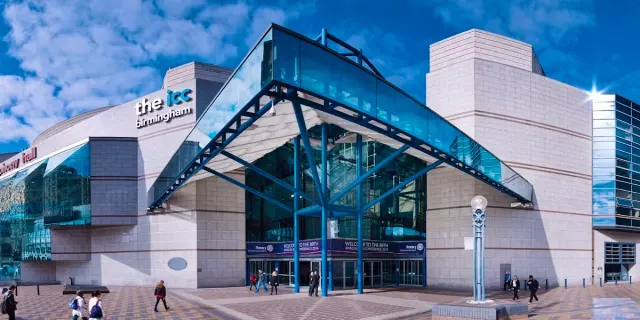
ICC Birmingham
West Midlands
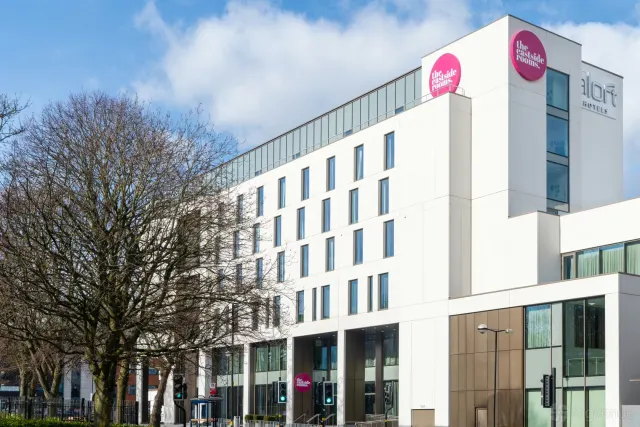
The Eastside Rooms
Vauxhall, Birmingham
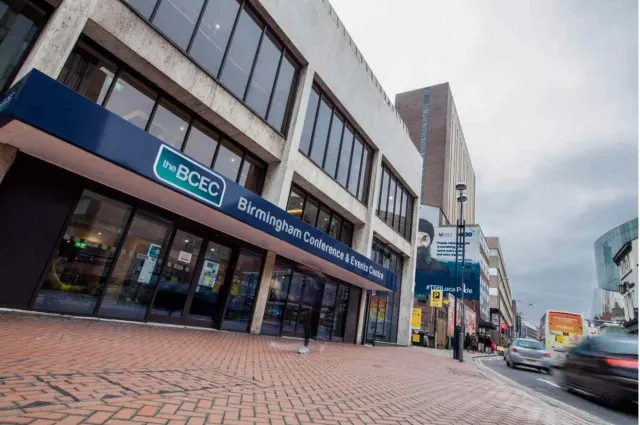
Birmingham Conference & Events Centre
Digbeth, Birmingham

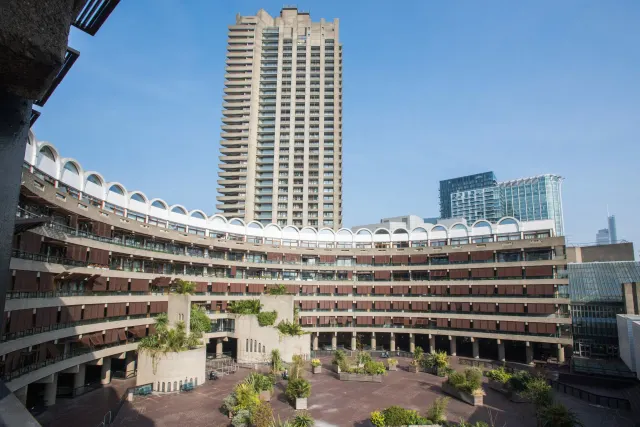
The Barbican
Silk St, London
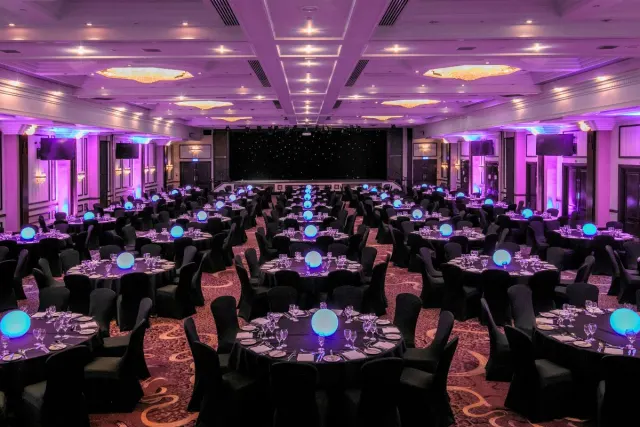
National Conference Centre
Solihull
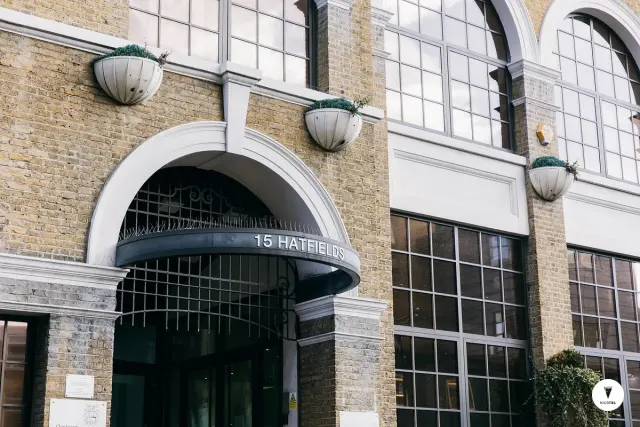
15Hatfields
Southwark, London
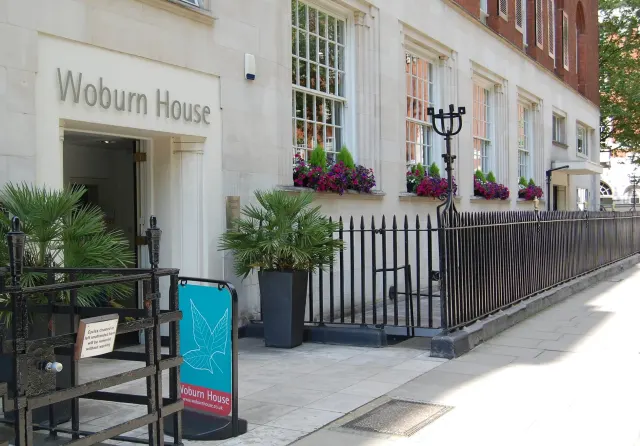
Woburn House
St Pancras, London
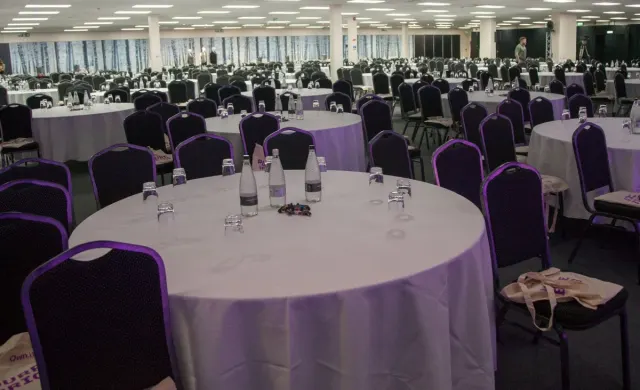
Cranmore Park
Solihull
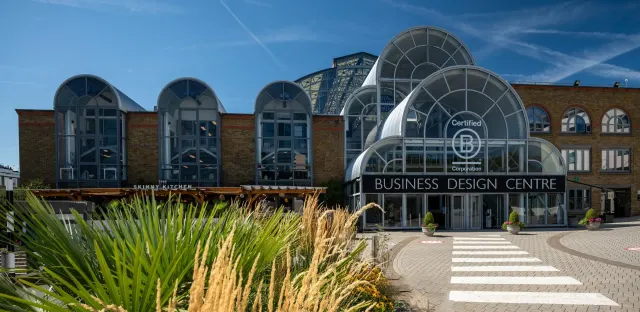
Business Design Centre
Islington, London
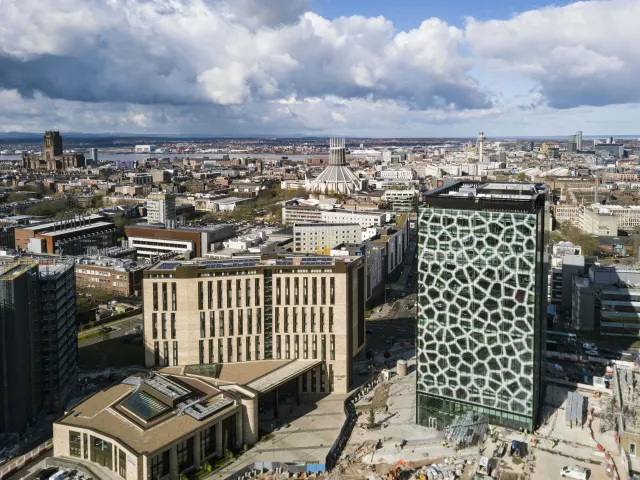
Spaces at The Spine
Edge Hill, Liverpool
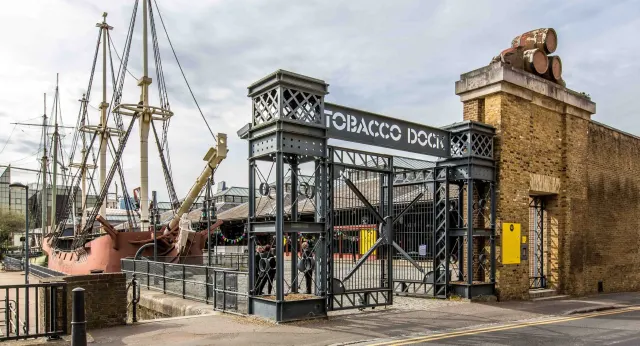
Tobacco Docks
Wapping, London
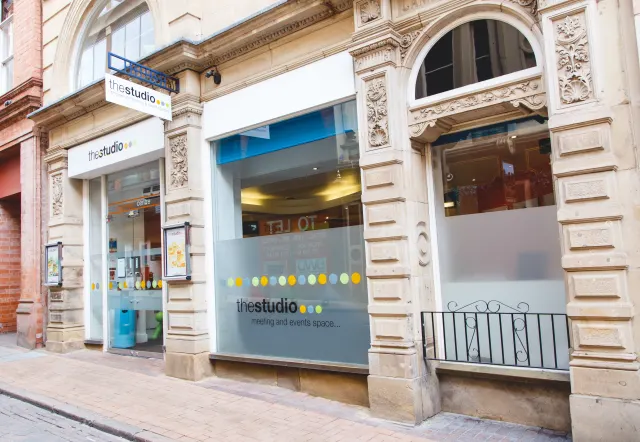
The Studio Birmingham
7 Cannon Street
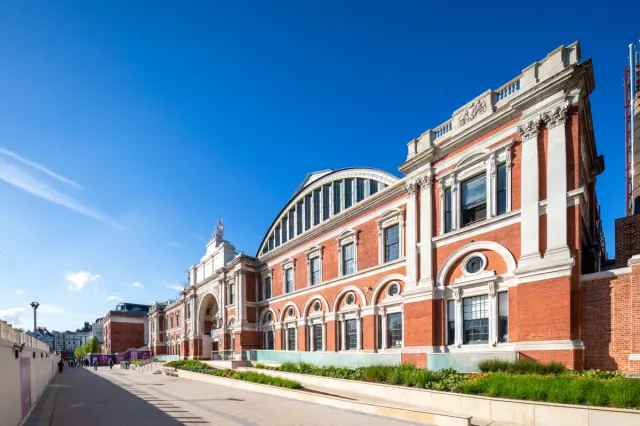
Olympia
Hammersmith Rd, London
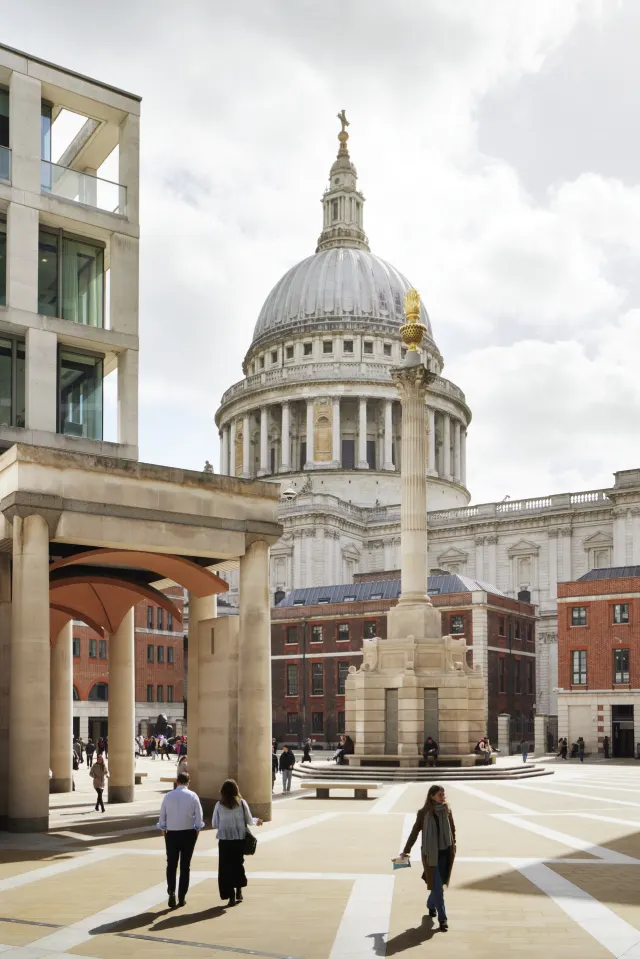
Convene Sancroft, St. Paul's
Sancroft, Rose St, Paternoster Sq, London
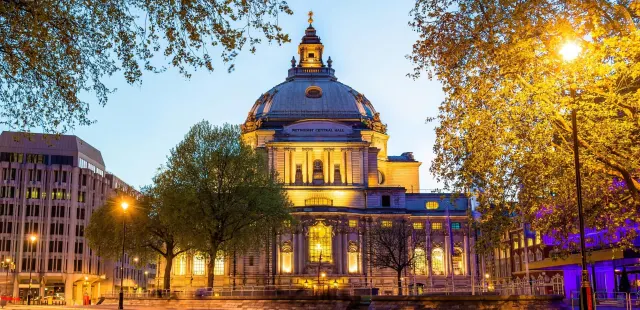
Central Hall Westminster
Storey's Gate, Westminster, London
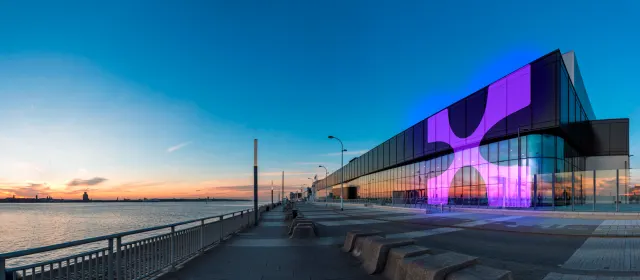
Liverpool Experience Campus
Toxteth, Liverpool
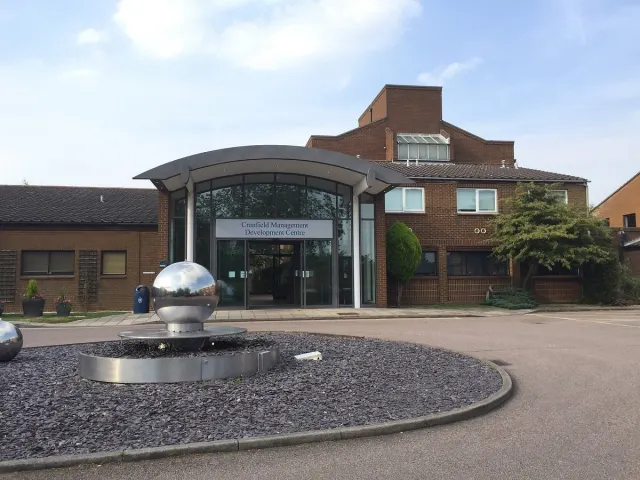
Venue Cranfield - Hotel and Conference Centre
Bedford
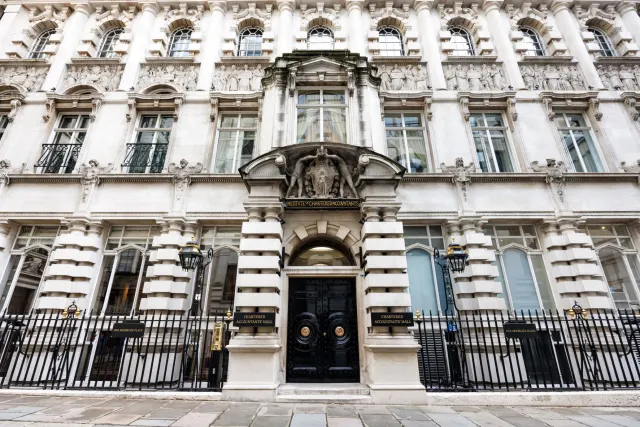
One Moorgate Place
London
That's all 71. Try the map or a collection above.
Choosing a conference centre
Conference centres are built for meetings. They offer large plenary halls, flexible breakout rooms, exhibition space and in-house production teams, which makes them the natural choice for association congresses, sales conferences and events with several hundred delegates or more. Many also have smaller dedicated training and meeting centres for day events. Their teams run events every week, which helps when a programme is complex or the timings are tight.
When comparing conference centres, look at how the plenary room, breakouts and catering areas connect, because delegate flow makes or breaks a big day. Check what technical production is included and what must be booked through the in-house team, the rules on bringing in your own suppliers, load-in times, and whether the centre has hotels on site or within walking distance. Ask about accessibility, cloakroom and registration space, and how much natural light the main rooms have, because delegates spend the whole day inside. For hybrid events, confirm streaming capability and who provides the technical crew.
University conference centres and dedicated training centres are worth considering for residential courses and academic events, as they often combine meeting space and bedrooms on one campus.
We know the centres, their in-house teams and their contract terms. Tell us your delegate numbers, programme and dates and we will shortlist the right options, check availability and negotiate the package and room block for you.
Questions we get asked
When should we use a conference centre instead of a hotel?
A conference centre is usually the better choice for several hundred delegates or more, events with an exhibition, or programmes with many breakout sessions. Purpose-built centres have larger halls, more flexible space and in-house production teams.
What should we check when booking a conference centre?
Check how the plenary hall, breakout rooms and catering areas connect, what technical production is included, whether you can use your own suppliers, load-in and load-out times, and how many hotel bedrooms are within walking distance.
Do conference centres have bedrooms?
Some do, particularly university conference centres and training centres, which often have bedrooms on the same campus. City convention centres usually rely on nearby hotels, so we arrange a room block alongside the event space.
How far ahead should we book a conference centre?
For large conferences, a year or more ahead is common, especially for spring and autumn dates. Smaller training and meeting centres can often be booked a few months ahead, depending on the season.